Essential March Gardening Tasks for a Flourishing Spring Garden
March marks a turning point in the garden year. As winter loosens its grip, the garden awakens with new energy and potential. This month offers a crucial window to prepare your garden for the vibrant growth and blooms of spring. Taking the right steps in March can set the stage for a healthy, productive garden throughout the season. Whether you have a small backyard or a sprawling plot, focusing on key tasks now will pay off in colorful flowers, lush vegetables, and thriving plants.
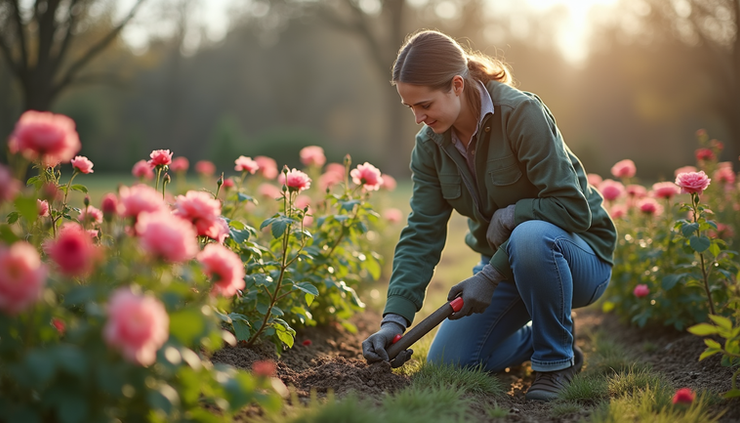
Clean Up and Prepare Garden Beds
After winter, garden beds often look tired and cluttered with dead leaves, stems, and debris. Clearing this away is essential to prevent pests and diseases from taking hold.
Remove fallen leaves, dead plants, and any weeds that have started growing.
Turn over the soil gently to aerate it and break up compacted areas.
Add a layer of compost or well-rotted manure to enrich the soil with nutrients.
Check for signs of pests or diseases on perennial plants and treat accordingly.
This cleanup refreshes the soil and creates a clean slate for new planting. It also improves drainage and root growth, which are vital as temperatures rise.
Prune Shrubs and Trees
March is an ideal time to prune many shrubs and trees before they fully leaf out. Pruning encourages healthy growth, shapes plants, and removes damaged or dead branches.
Cut back winter-damaged branches to prevent disease.
Thin out crowded areas to improve air circulation.
Shape flowering shrubs that bloom on new wood, such as butterfly bush or spirea.
Avoid pruning spring-flowering shrubs that bloom on old wood, like lilacs or forsythia, until after they flower.
Proper pruning helps plants focus energy on producing strong new shoots and abundant flowers.
Start Seeds Indoors
Many vegetables and flowers benefit from an early start indoors in March. Starting seeds inside gives plants a head start on the growing season, especially in cooler climates.
Choose seeds for tomatoes, peppers, eggplants, and herbs like basil.
Use seed trays or small pots with a quality seed-starting mix.
Keep seeds warm and moist, ideally between 65-75°F (18-24°C).
Provide plenty of light, either from a sunny window or grow lights.
Once seedlings develop several true leaves and the outdoor soil warms, you can harden them off and transplant them into the garden.
Plant Bare-Root Trees and Shrubs
March is one of the last months to plant bare-root trees and shrubs before they break dormancy. These plants are sold without soil around their roots and need careful handling.
Soak roots in water for a few hours before planting.
Dig a hole twice as wide as the root spread but no deeper than the root ball.
Position the plant so the graft union or root flare is just above soil level.
Backfill with soil, firm gently, and water thoroughly.
Planting now allows roots to establish before the heat of summer arrives.
Divide Perennials
Many perennials benefit from division every few years to maintain vigor and control size. March is a good time to divide early-spring blooming perennials before they start active growth.
Dig up the entire clump carefully.
Use a sharp spade or knife to separate the plant into smaller sections.
Replant divisions immediately at the same depth they were growing.
Water well and mulch to retain moisture.
Dividing perennials like hostas, daylilies, and astilbes rejuvenates plants and creates new ones for other parts of the garden.
Prepare Lawn for Spring Growth
Your lawn also needs attention in March to recover from winter and prepare for spring.
Rake to remove dead grass, leaves, and moss.
Apply a spring fertilizer with balanced nutrients.
Repair bare patches by overseeding with appropriate grass seed.
Check for soil compaction and aerate if necessary.
A healthy lawn supports the overall garden’s appearance and provides a lush green backdrop for flowers and shrubs.
Plan and Plant Early Vegetables
March is the time to sow or plant hardy vegetables that tolerate cool soil and air temperatures.
Direct sow peas, spinach, radishes, and lettuce outdoors.
Plant onion sets and early potatoes.
Protect young seedlings with cloches or row covers if frost threatens.
Starting these crops early means you can harvest fresh produce well before summer.
Mulch Garden Beds
Applying mulch in March helps regulate soil temperature, retain moisture, and suppress weeds as plants begin to grow.
Use organic mulches like shredded bark, straw, or leaf mold.
Spread a 2-3 inch layer around plants, keeping mulch a few inches away from stems.
Refresh mulch from last year if it has decomposed.
Mulching reduces maintenance and supports healthy root development.
Monitor for Pests and Diseases
Early detection of pests and diseases can prevent major problems later in the season.
Inspect plants regularly for signs of aphids, slugs, or fungal infections.
Use organic controls such as neem oil or insecticidal soap when needed.
Encourage beneficial insects like ladybugs by planting nectar-rich flowers.
Keeping a close eye on your garden helps maintain plant health naturally.
Prepare Garden Tools and Equipment
Well-maintained tools make gardening easier and more enjoyable.
Clean and sharpen pruners, shears, and spades.
Oil wooden handles to prevent cracking.
Check hoses and irrigation systems for leaks or damage.
Organize your garden shed for easy access.
Starting the season with ready tools saves time and effort.

Comments